
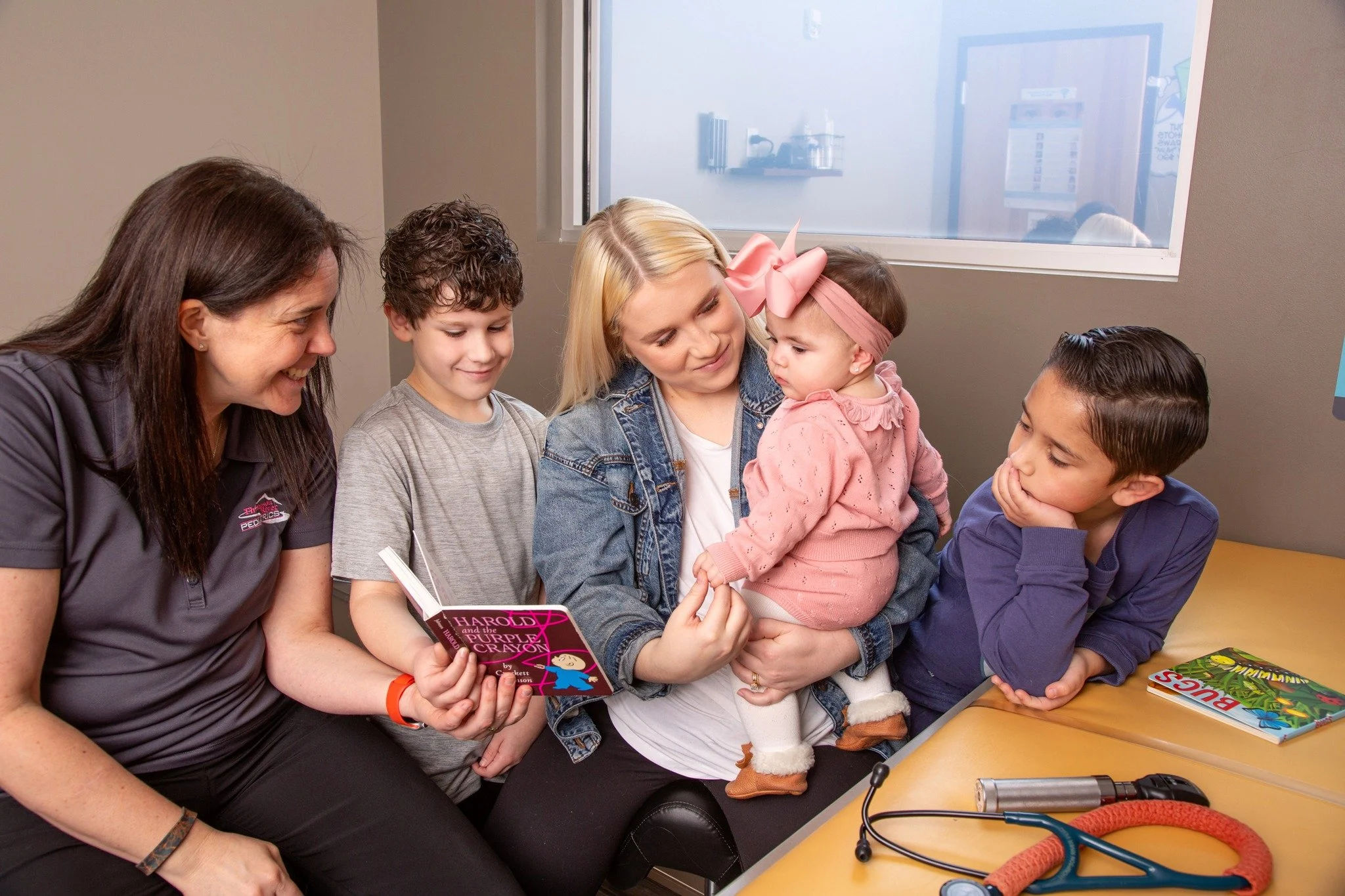
With 105 program sites across the state, we serve children across urban, suburban, and rural communities.
We add new sites every month, delivering significant benefits to even more children and families.

REACH OUT AND READ-ALABAMA REACHES 100 SITES STATEWIDE, EXPANDING ACCESS TO EARLY LITERACY AND FAMILY SUPPORT THROUGH PEDIATRIC CARE
Reach Out and Read-Alabama has reached a major milestone: The nonprofit now partners with 100 participating clinical sites statewide, expanding access to books, early literacy guidance, and meaningful family support through pediatric care. Over the past year alone, the program has reached more than 92,000 children through 247,000 well-child visits, distributing nearly 178,000 books to families across the state.
The milestone comes as Reach Out and Read-Alabama hits its 20th anniversary, celebrating how the program has grown from a small network of clinical partners into a statewide effort reaching families in communities across Alabama.
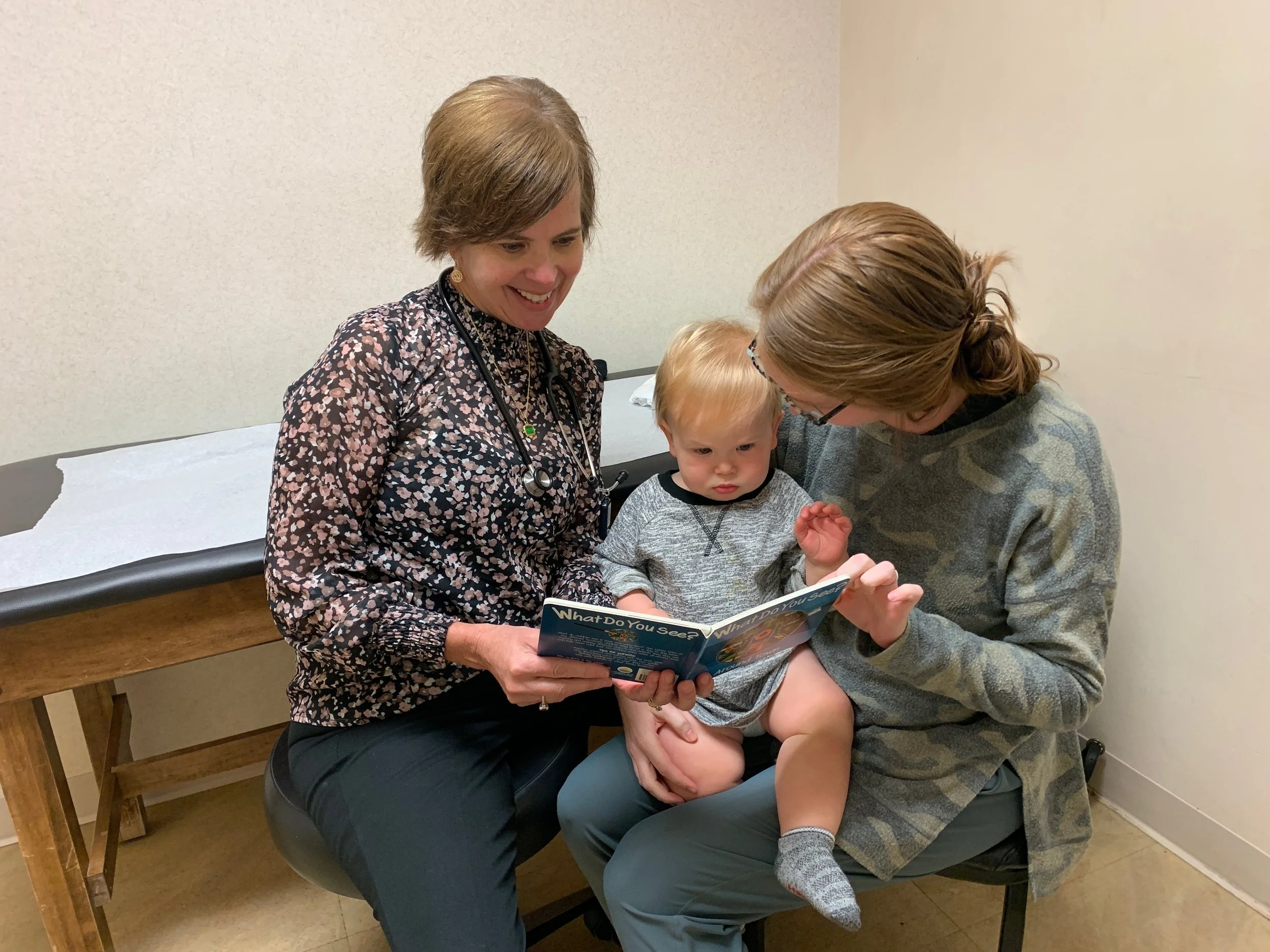
When Reach Out and Read is part of a routine well-child visit, appointments are more engaging, meaningful, and conversational.
Thanks to our program, clinicians have natural opportunities to speak with the patient and family and observe their behaviors and reactions. When given a book, does the baby put it in their mouth? Does the child hold it right-side up? Does the parent engage with the child around the book and show interest? In these moments, providers can learn about developmental milestones and the child/caregiver relationship through the simple act of spending time with the family. These organic moments put patients and families at ease, making them more willing to share their experiences and more receptive to receiving new information.
When the relationship between a clinician and family is strengthened thanks to Reach Out and Read, it’s easier to build trust, share critical information, and work as a team to ensure the child can thrive.
Integrated with pediatric care
Reach Out and Read clinicians provide families with a new, developmentally appropriate book during each well-child visit from birth to age 5. By the time a child reaches their fifth birthday, they will have more than a dozen books.
During these visits, clinicians talk with parents about the benefits of reading aloud and provide advice for engaging infants, toddlers, and preschoolers with the books.
Clinicians also use the book to assess children’s developmental milestones, like responding to a caregiver’s voice, tracking with their eyes, turning pages, repeating rhymes, and forming sentences.
-
Coastal Pediatrics
Eastern Shore Children’s Clinic
Fairhope Pediatrics
Gulf Shores Pediatrics
South Baldwin Pediatrics -
Eufaula Pediatric Clinic
-
Bibb Medical Center
-
Regional Medical Clinic
-
Anniston Pediatrics
Cheaha Adult and Pediatric Medicine
Model City Pediatrics
Pediatric Care Center of Northeast Alabama
Purohit Pediatric Clinic, LLC -
Clay County Health Department
-
Enterprise Pediatric Clinic
-
Tennessee Valley Pediatrics
-
Willow Tree Pediatrics
-
Ozark Pediatric Clinic
-
Pediatric Adolescent Medicine
Selma Pediatrics, PC
-
Foothills Family Medicine Clinic
Gadsden Pediatric Clinic
Southside Pediatrics. LLC -
Hale County Healthcare Authority
-
Dothan Pediatric Clinic
Southeastern Pediatric Associates -
Kids First Pediatrics
-
Birmingham Pediatric Associates
Children’s Medical Group
The Children’s Hospital of Alabama
• Greenvale Pediatrics Hoover
• Midtown Pediatrics
• Over the Mountain Pediatrics
• Pediatric Complex TEAL Clinic
• Pediatrics West Hueytown
• Pediatrics West McAdory
Jefferson County Health Department
• Central Health Center
• Eastern Health Center
• Western Health Center
Metro Pediatrics
Newborn Follow Up Program
Nurse Family Partnership of
Central Alabama
Redmont Pediatric Associates, P.C.
Regimen Healthcare
Simon-Williamson Clinic Pediatrics Tots N Teens Pediatrics
University of Alabama Birmingham
Neonatal Intensive Care Unit
University of Alabama Birmingham
Primary Care Clinic -
Lamar Family Medicine
-
Infants’ & Children’s Clinic
Tennessee Valley Pediatrics (Florence) -
Pediatric Associates of Auburn
Pediatric Clinic, LLC
Sunshine Pediatrics -
Athens Primary Care Associates
-
Physicians Care Hampton Cove
University of Alabama Birmingham
Huntsville Family Medicine Residency
University of Alabama Huntsville Pediatrics -
Anderson Family Care
Marengo County Health Department -
Boaz and Albertville Family Care
Compass Pediatrics
Kids Klinic
Kids R Us Pediatrics
-
Accordia Health
Accordia Health Children’s
Outpatient Center
Hope Harbor Pediatric Care
Mobile County Health Department
• Citronelle Clinic
• Eight Mile Clinic
• Keeler Pediatrics
• Family Health Semmes Clinic
• Family Health Southwest Clinic
Mostellar Medical Center
Nurse Family Partnership - Gulf Coast
University of South Alabama
Children’s Medical Center -
Monroe County Hospital
Rural Health Center
Primary Care Center of Monroeville -
Gift of Life Foundation/
Nurse Family Partnership
Maxwell Air Force Base
Montgomery Family Medicine
Residency Program
Partners in Pediatrics -
Heart of the Valley Pediatrics
-
Charles Henderson Child Health Center
Kids First Pediatrics Troy
Troy Pediatric Clinic & Collegiate Health -
Pediatric Care of Chelsea
-
The Children’s Hospital of Alabama
Pell City Pediatrics -
Alabama Multi-Specialty Group
Bama Pediatrics
Crimson Pediatrics
University of Alabama College
of Community Health Sciences
West Alabama Pediatrics -
Capstone Health
•Hilltop
• Nauvoo
• Summit
• Viking
• West Jasper
Drs. Dabbs and Hyland PC -
Southwest Alabama Health Services
-
Wilcox County Health Department
-
Capstone Health Double Springs